

Organic Saffron
Showing all 2 resultsSorted by popularity
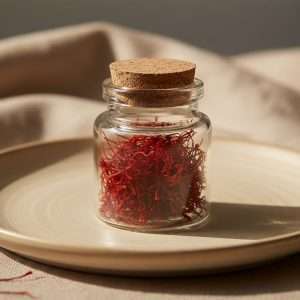

Kashmiri Saffron Pure Kesar, Directly from Pampore
Kashmiri saffron, known locally as Kashmiri kesar, is the finest saffron in the world, and Kashmirica is your most direct path to it. Grown in the fertile, red-soiled plains of Pampore in the Kashmir Valley, our saffron is hand-picked at dawn, sun-dried, and delivered to you in its purest, most potent form. Whether you call it kesar, zafran, or kumkuma puvvu, what arrives at your door is the same legendary spice that has commanded premium prices and royal favour for over 3,000 years, now available to buy online at honest, transparent Kashmiri saffron prices.
What is Kashmiri Saffron and Why is it the Best?
Saffron is harvested from the dried stigmas of the Crocus sativus flower. Each flower produces just three stigmas, and every gram of saffron requires roughly 150–200 flowers to produce, making it the world’s most expensive spice by weight. Among all saffron-producing regions globally, Iran, Spain, Afghanistan, Kashmiri saffron stands in a class of its own.
The high altitude of Pampore (1,600 metres), the unique combination of clay-loam soil, seasonal snowmelt irrigation, and cool winters produces saffron threads that are longer, thicker, and more aromatic than those grown anywhere else. Kashmiri saffron scores significantly higher on crocin (colour), picrocrocin (taste), and safranal (aroma), the three international quality markers, than its Iranian counterpart.
In 2020, Kashmiri saffron received Geographical Indication (GI) tag status from the Government of India, legally protecting its identity and origin. When you buy original Kashmiri kesar from Kashmirica, you are buying the real thing.
Our Kashmiri Saffron Varieties
Kashmiri Mongra Saffron (Grade A — Premium)
Kashmiri Mongra saffron is the highest grade of Kashmiri saffron, consisting only of the deep crimson stigma tip, no yellow or orange style attached. Mongra threads are shorter but pack an extraordinary concentration of crocin, delivering an intense colour, a complex honey-floral aroma, and the deepest flavour of any saffron grade. It is the choice of serious cooks, traditional physicians (hakims), and discerning buyers who want nothing but the best..
Kashmiri Lacha / A-Grade Saffron
Lacha saffron (also called Lachha or A-grade) consists of the full stigma thread, the long red-orange strand familiar to most buyers. It has excellent colour yield and a strong, warm aroma. For everyday cooking, gifting, and regular wellness use, Lacha is the most popular choice and offers outstanding value relative to its quality.
Irani Saffron (for Comparison)
We also stock Irani saffron for buyers who want a more affordable option. While Iranian saffron is the world’s largest-produced variety, it scores lower on safranal and crocin benchmarks than Kashmiri saffron. It is a fine product for bulk use and everyday cooking where the subtle superiority of Kashmiri kesar is not the primary requirement.
Kashmiri Saffron Price — What to Expect and Why
The price of Kashmiri saffron is higher than Iranian or Spanish saffron, and for good reason. Here is what goes into every gram:
- Each Crocus sativus flower blooms for only 2 weeks a year, in October–November
- Flowers must be picked by hand at dawn before they open, mechanical harvesting is impossible
- 150–200 flowers yield just 1 gram of dried saffron threads
- Pampore’s limited cultivable land means annual supply is inherently restricted
- Post-harvest sorting, drying, and quality grading are entirely manual processes
At Kashmirica, our Kashmiri kesar price reflects this true cost of production, not inflated retail margins. We source directly from growers in Pampore, cutting out the layers of middlemen that typically inflate kesar prices. This means you get original kesar at a fair price, with full traceability.
As a reference: kesar price per gram for Mongra-grade Kashmiri saffron typically ranges from ₹500–₹700/gram at genuine wholesale-to-retail rates. Bulk pricing for 5g, 10g, and higher quantities is available on our product pages. Always be cautious of saffron priced dramatically below market, adulteration with safflower petals, corn silk, or artificial colouring is widespread in the cheap saffron market.
Health Benefits of Kashmiri Kesar
Saffron has been used in Ayurveda, Unani, and Persian medicine for millennia. Modern clinical research increasingly validates these traditional uses:
- Mood and mental wellness: Saffron’s active compound safranal has been studied for its effects on serotonin metabolism, with several trials showing measurable improvement in mild-to-moderate depression symptoms
- Antioxidant protection: Crocin and crocetin, the carotenoids that give saffron its colour, are potent antioxidants that protect cells from oxidative stress
- Eye health: Crocetin has been studied for its potential to slow age-related macular degeneration
- PMS relief: A number of clinical studies have found saffron effective in reducing PMS symptoms including mood changes and cramps
- Memory and cognitive function: Early research suggests saffron may support memory retention and slow cognitive decline
- Digestion and appetite: Traditional use of saffron in milk (kesar doodh) and rice dishes draws on its known carminative and digestive properties
Note: These are research-backed traditional uses. Saffron is a food spice, not a medicine. Consult a healthcare provider for specific conditions.
How to Use Kashmiri Saffron
Getting the most from your kesar is simple, the key is proper blooming:
- Always bloom saffron before use: soak 5–8 threads in 2–3 tablespoons of warm (not boiling) water, warm milk, or warm broth for 15–20 minutes. This releases the crocin and safranal, maximising colour and aroma.
- For biryani and pulao: add the bloomed saffron liquid in the final layering stage
- For kesar milk (saffron milk): bloom in warm whole milk with a pinch of cardamom and sweeten with honey
- For desserts: kheer, rasmalai, gulab jamun, and seviyan all benefit from a pinch of Kashmiri kesar added via bloomed liquid
- For skin: a paste of saffron with raw milk or rose water applied to the face is a centuries-old Kashmiri beauty ritual
- Daily wellness: 2–3 threads bloomed in warm water with honey, taken each morning, is a simple routine for those using saffron for its mood and antioxidant benefits
How much saffron to use: A tiny pinch (3–5 threads) is enough for 2–3 servings of most dishes. A gram of good Kashmiri saffron goes a very long way, with proper storage, it retains potency for up to 3 years.
How to Store Kashmiri Saffron
- Keep in an airtight, opaque container: saffron degrades quickly with light and moisture exposure
- Store in a cool, dry place: not the refrigerator, where condensation can damage the threads
- Keep away from strong odours: saffron absorbs surrounding aromas easily
- Use a dry spoon every time: never introduce moisture directly into the container
Kashmirica saffron arrives in airtight, sealed packaging that extends shelf life. Once opened, transfer to a small glass jar for best results.
Why Buy Kashmiri Saffron from Kashmirica?
- Direct from Pampore: we source from Kashmir Valley growers, eliminating multiple middlemen
- GI-tagged region: all our Kashmiri saffron comes from the geographically protected Pampore cultivation zone
- Transparent pricing: honest Kashmiri kesar prices with no hidden markups
- 1,000+ five-star reviews: from home cooks, Ayurveda practitioners, and gifters across India and 50+ countries
- 10,000+ customers served since 2019: with zero compromise on product authenticity
- 2.5% of profits directed to underprivileged artisan and farming communities in Kashmir